
Structure, Inflammation & Nervous System Speaker Schedule

All sessions are accessible throughout the full three-day event, giving you the flexibility to watch at your own pace. While we've organized the talks into daily collections to create a suggested path, feel free to explore them in whatever order suits you best.
Today's Curated Lineup: Day 1
Day One brings together some of the most influential voices exploring how structure, the nervous system, and inflammation intersect in chronic illness. Our expert conversations feature clinicians and researchers sharing both groundbreaking frameworks and clinical insights, revealing what truly shapes healing capacity in complex conditions. From the vagus nerve and Cell Danger Response to structural instability, and regenerative therapies, today’s sessions highlight integrated approaches that are reshaping our understanding of why some people remain stuck and others heal.

Navaz Habib, DC
What We’ve Missed About the Vagus Nerve (47 minutes)
- The vagus nerve sends about 80% of its signals from organs to brain, guiding autonomic and immune regulation.
- Chronic stressors erode vagal tone, disrupting body brain communication and sustaining low-grade inflammatory activity.
- Slow nasal breathing, cold exposure, and gentle stimulation strengthen parasympathetic tone and normalize neuroimmune signaling.
Andrew Maxwell, MD
Spiky Leaky Syndrome, Dysautonomia, and Structural Instability [PRO LEVEL] (42 minutes)
- Spiky Leaky Syndrome involves cyclical intracranial pressure surges and fluid leaks, presenting with alternating pressure headaches, dysautonomia, and cranial nerve dysfunction.
- Cranial nerves IX–XII often experience compression near C1, contributing to vagal dysregulation, tinnitus, neck pain, dysphagia, and autonomic instability.
- Mast cell activation and connective tissue laxity compromise cranio-cervical stability, worsening POTS physiology and amplifying autonomic dysfunction.
Robert Naviaux, MD, PhD
The Cell Danger Response and the Future of Chronic Illness Care [PRO LEVEL] (38 minutes)
- The Cell Danger Response unfolds through defense, repair, and restoration, guided by mitochondrial signaling that directs the healing process.
- Mitochondria serve as environmental sensors, releasing extracellular ATP as a universal “danger signal” that coordinates immune and inflammatory responses across tissues.
- Emerging research in purinergic signaling and cell eugenesis is shaping new therapies to restart stalled healing cycles and restore metabolic balance.

Cathleen King, DPT
Integrative Approaches to Vagus Nerve and Nervous System Repair in Complex Illness (49 minutes)
- Mechanisms of vagal activation, neuroplastic retraining, and trauma processing in autonomic regulation and chronic illness recovery.
- Influence of structural alignment, respiratory control, and somatic input on brain-body feedback and resilience.
- Integration of compassion, behavioral skill acquisition, and lifestyle modification in sustaining health and preventing dysregulation.
Raymond Perrin, DO, PhD
How Structure and Lymph Flow Influence Healing in Chronic Fatigue (ME/CFS) (66 minutes)
- Sympathetic chain dysregulation and thoracic congestion distort afferent signaling to the brainstem, disrupting hypothalamic balance and autonomic control.
- Chronic spinal irritation promotes ephaptic cross-talk between sympathetic fibers, impairing lymphatic pumping and reinforcing neuroinflammatory feedback loops.
- Restoring thoracic mobility and lymphatic flow through structural and osteopathic therapy enhances glymphatic drainage and stabilizes autonomic regulation.

Yonatan Whitten, DC
The Critical Link Between the Foot, Body Structure, and Chronic Illness (59 minutes)
- Loss of spinal and foot curvature disrupts biomechanics, impairs lymphatic flow, and drives inflammatory signaling throughout the body.
- Secondary curves and arches optimize posture and movement, reducing muscular strain, inflammation, and metabolic inefficiency.
- Daily practices, barefoot walking, active sitting, and postural restoration, reactivate reflexes, enhance coordination, and sustain structural integrity.

Tapley Holland
Personalized Platelet Therapy and the Science of Regenerative Healing (33 minutes)
- Personalized platelet-rich therapy calibrates dosing to individual biology, correcting cellular dysfunction and optimizing repair in inflammatory and degenerative disease.
- Platelets act as intelligent messengers, releasing growth factors and cytokines that rebalance immunity, resolve inflammation, and promote regeneration.
- Integrating TruDose within a multimodal care model enhances outcomes by aligning treatment timing with each patient’s physiological readiness.
Ruby Tischoff, FDN-P
Galectin-3 Microenvironments and Their Role in Circulation and Inflammation (33 minutes)
- Galectin-3 organizes inflammatory microenvironments that trap immune cells, promote fibrosis, and impair vascular and organ function.
- Elevated Galectin-3 links chronic inflammation to neurodegeneration, cardiovascular dysfunction, and immune dysregulation across multiple systems.
- Reducing Galectin-3 activity through modified citrus pectin, mindfulness, and targeted nutrition can restore circulation, lower inflammation, and support healing.
WATCH THE FORUM NOW
Get Access Now
Bonus Masterclasses
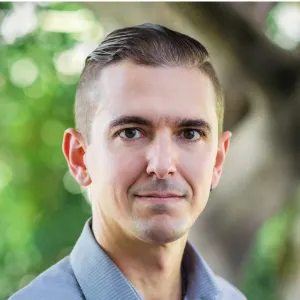
Jamie Kunkle, ND
Neuropsychiatric Manifestations In The Trifecta Syndrome (46 minutes)
- Mitochondrial peptides and their research-documented influence on energy production, oxidative stress, and cellular repair mechanisms.
- Clinical considerations including careful dosing, timing, and monitoring protocols when exploring peptide applications in ME/CFS and Long COVID.
- Detailed case study illustrating how peptide-supported strategies may contribute to recovery approaches in complex chronic fatigue conditions.
Today's Curated Lineup: Day 2
Day Two explores the often overlooked foundations of resilience, how trauma, stress, and family dynamics shape our body’s capacity for healing. The day dives deep into the biological links between our history and our health, examining the science behind how autonomic patterns, breathwork, and mindfulness can help reset systems that keep the body stuck in protective states. These sessions examine the roots of dysregulation, not just symptoms.

Todd Shipman
Restoring Cellular and Neural Balance with Quantum Energy (24 minutes)
- Leela’s quantum devices emit neutral, subatomic energy fields that harmonize the body’s response to EMFs.
- Double-blind studies, live blood analyses, and “QEEG” scans show reduced brain hyperactivity and improved cellular coherence with Leela products.
- Quantum upgrades demonstrate measurable increases in ATP production and heart rate variability, supporting stress recovery in a technology saturated world.

Aimie Apigian, MD, MS, MPH
The Body’s Biological Link Between Trauma, Stress, and Long-Term Illness (51 minutes)
- Five core physiological stages of the trauma response and their role in chronic illness development.
- Influence of childhood experience, stress sensitivity, and capacity on immune and nervous system resilience.
- Integrating mind, body, and biology to rewire trauma physiology and restore safety-based healing.

Fleet Maull, PhD, CMP-T
The Science Behind Mindfulness and Healing (60 minutes)
- Neurosomatic mindfulness integrates embodied awareness, neuroscience, and trauma-informed principles to regulate pain pathways and promote nervous system healing.
- Radical responsibility reframes healing by replacing blame with agency, self-regulation, and empowered, conscious engagement in recovery.
- Breathwork and embodied attention stabilize focus, supporting autonomic balance and reducing stress reactivity throughout the healing process.

Zachary Feder
Family Constellation Therapy and the Healing of Hidden Family Dynamics (47 minutes)
- Family Constellation Therapy reveals how ancestral trauma and emotional entanglements imprint the body’s biology, where unresolved bonds manifest as chronic tension, illness, or energetic stagnation.
- Just as cellular receptors bind to available nutrients or toxins, our emotional receptors attach to familiar patterns until awareness allows healthier connection.
- By integrating the nervous system, energy field, and ancestral dynamics, this work aims to restore healthy boundaries, regulate the stress response, and give the body a full system reboot.
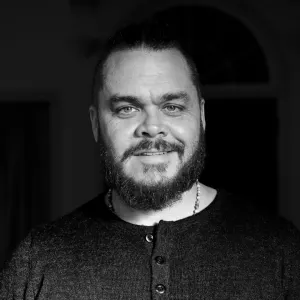
Michael Roesslein
Restoring Autonomic Balance Through Functional Breathing (62 minutes)
- Functional breathing optimizes autonomic regulation and gas exchange, improving oxygen utilization and restoring physiologic balance throughout the body.
- Diaphragmatic tension mirrors emotional holding; releasing it frees stored grief and enhances integrated body-mind communication.
- Consistent breath awareness retrains safety responses, balances CO₂ sensitivity, and cultivates compassion as a foundation for healing.
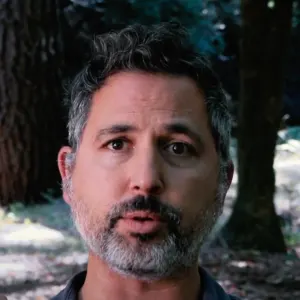
Gabriel Kram
Understanding Trauma’s Impact on Autonomic Health [PRO LEVEL] (67 min)
- The autonomic nervous system responds to trauma before conscious thought, creating lasting defensive patterns in chronic illness
- Safety and threat perception are crucial in regulating our nervous system
- Shutdown states and threat perception significantly impact recovery from trauma-related health conditions and require targeted attention

Alex Howard
Beyond Survival Resetting Patterns that Keep the Body Stuck (48 minutes)
- Chronic defense states keep the body in survival mode, blocking access to repair, resilience, and emotional regulation.
- The RESET framework helps identify and reprogram patterns of stress response, creating safety and restoring nervous system flexibility.
- Integrating awareness, emotional processing, and behavioral change reawakens the body’s innate capacity for healing and transformation.

Jodi Cohen
The Healing Intelligence of Scent (45 minutes)
- The sense of smell directly accesses the limbic system, using scent retraining and parasympathetic oils can restore calm, focus, and protect against cognitive decline.
- Targeted essential oil blends stimulate vagal pathways, shifting the body from sympathetic overdrive into a rest and digest state.
- Emotional tension stored in fascia restricts lymphatic flow; topical oils relieve compression, support drainage, and promote safe, gradual healing.

Eric Gordon, MD & Nafysa Parpia, ND
Structure, Inflammation, & Nervous System LIVE Q&A Webinar [Previously Recorded]
- Join Forum hosts, Dr. Eric Gordon and Dr. Nafysa Parpia, for this previously recorded live Q&A
- Explore how structural imbalance, inflammation, and nervous system dysregulation reinforce one another—and why healing stalls when any single piece is overlooked.
- Learn how an integrated, whole-body lens helps explain persistent symptoms and guides more effective strategies for chronic illness recovery.
Bonus Masterclasses

Deanna Hansen
Often Overlooked Role of Fascia in Detox [Workshop] (87 min)
- Explore the under-recognized role of fascia in chronic illness recovery and its impact on circulation, detoxification, and cellular health.
- Learn how fascial restrictions impede blood and lymph flow, creating stagnation that contributes to inflammation, toxicity, and impaired healing.
- Experience guided fascia decompression using a simple rolled towel to release tension, enhance oxygenation, and restore the body’s natural flow.
Today's Curated Lineup: Day 3
Day Three is dedicated to our professional-level deep dives into the mechanisms driving chronic neuroinflammation, brain injury, and systemic dysfunction. Today’s advanced sessions explore neuroendocrine alterations, iron metabolism, microglia activation, and cutting edge regenerative approaches that are pushing the boundaries of what’s possible in treatment.
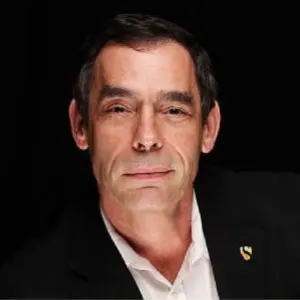
Mark Gordon, MD
How Inflammation Alters Brain Hormones: Neuroendocrine Mechanisms in TBI and Chronic Illness [PRO LEVEL] (70 minutes)
- Mild or unrecognized TBI initiates chronic neuroinflammation and neuroendocrine disruption.
- Testosterone, pregnenolone, and DHEA provide critical anti-inflammatory and neuroprotective support.
- Gut dysbiosis, aging, and toxins amplify neurodegenerative risk, necessitating targeted therapeutic strategies.
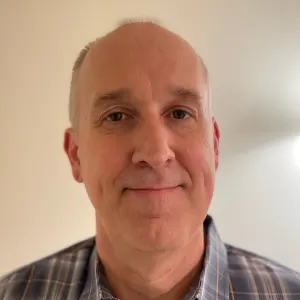
Jon Berner, MD, PhD
Addressing Brain Inflammation: Microglia, Ketamine, and Lithium in Modern Medicine [PRO LEVEL] (54 minutes)
- Mechanisms of microglia-mediated neuroinflammation and its impact on psychiatric and cognitive function.
- Clinical variability and mechanistic insights into ketamine and lithium response profiles.
- Emerging neuroimmune therapies targeting inflammation, cellular repair, and neuroprotection pathways.

Michael McEvoy
Iron Metabolism in Inflammation and Its Role in Anemia and Repair [PRO LEVEL] (50 minutes)
- Anemia of inflammation reflects iron sequestration within macrophages and liver, driven by immune activation and elevated hepcidin.
- Iron supports mitochondrial energy production through iron sulfur complexes, serving both host metabolism and microbial competition.
- Testosterone and lactoferrin lower hepcidin, mobilize stored iron, and reduce inflammatory signaling to resolve anemia of inflammation.

Chris Centeno, MD
The Science of Regenerative Injections and Vagus Nerve Balance [PRO LEVEL] (40 minutes)
- Craniocervical instability causes excessive upper cervical movement, triggering headaches, dizziness, and vagus-nerve-mediated autonomic symptoms.
- Advanced imaging and targeted regenerative injections using platelets and stem cells restore ligament integrity and structural stability.
- Procedures such as PICL and vagus-nerve hydrodissection reduce pain, regulate autonomic function, and often eliminate the need for fusion surgery.

Dale Bredesen, MD
Why Neurodegeneration Is Rising and What We Can Do About It [PRO LEVEL] (55 minutes)
- Neurodegenerative disease represents network insufficiency, a loss of physiological balance driven by inflammation, insulin resistance, and mitochondrial decline rather than isolated protein pathology.
- Chronic toxicity, latent infection, and immune dysregulation sustain microglial activation and cytokine drizzle, demanding detoxification and metabolic restoration.
- Prevention and reversal require a systems based model that clears triggers, balances hormones, and rebuilds mitochondrial and synaptic resilience.

Kent Holtorf, MD
Peptides & Bioregulators for Modulating Persistent Brain Inflammation (54 minutes)
- Thymic peptides such as TA1 and TB4 restore Th1/Th2 and T-reg coordination, calming autoimmunity and lowering neuroinflammatory signaling.
- Which brain-directed bioregulators can modulate neurotransmission, regenerate neural tissue, and improve mitochondrial and vascular integrity in chronic neuroinflammation.
- Introducing peptides and bioregulators in the right sequence helps calm inflammation, guide system recalibration, and enhance patient tolerance throughout treatment.

Chad Prusmack, MD
Brain Trauma, Dysautonomia, and Peptides [PRO LEVEL] (52 minutes)
- Overlooked dysautonomia and vestibular dysfunction perpetuate post-concussion symptoms, while head trauma triggers infections, toxins, and chronic inflammation driving persistent neurological issues.
- Identifying patterns of autonomic dysfunction, POTS, and immune dysregulation that develop when brain trauma disrupts normal neurological pathways.
- Specific peptide therapies supporting immune modulation, hormone optimization, and recovery in complex neurological and tick-borne illness cases.

Amy Selinger, PT, DPT, OCS
Pelvic Health and Why Dysfunction Is More Common Than We Realize (55 minutes)
- Cumulative trauma, bowel dysfunction, and connective tissue laxity contribute to pelvic floor instability, manifesting as pain, incontinence, and visceral dysregulation.
- Comprehensive evaluation, including internal muscle assessment, diaphragmatic retraining, and trauma-informed therapy, restores coordination, strength, and sensory awareness.
- Optimizing pelvic floor function enhances lymphatic flow, vagal regulation, and visceral mobility, reducing chronic pain and autonomic imbalance in complex illness.
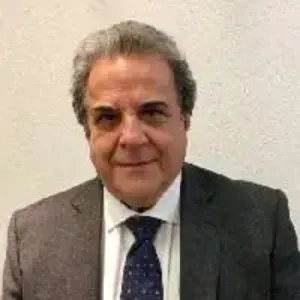
Louis Teulieres, MD, PhD
Immunology and The Intermittent Use of Antibiotic Therapy [PRO LEVEL] (49 minutes)
- Sequential, intermittent antibiotic therapy balances efficacy with immune tolerance—reducing microbial persistence, minimizing organ burden, and limiting resistance often seen with continuous dosing.
- Treatment follows immunological principles, combining bacteriostatic and bactericidal agents with tissue-targeted delivery, reflecting a European methodology.
- Advancing metagenomic and bacteriophage research explores phages, viruses that selectively infect bacteria, to address antibiotic resistance and persistent Borrelia infection.
Gain Access to Exclusive Offers From Our Sponsors


