
The Cell & The Signal Speaker Schedule

Today's Curated Lineup: Day 1
Today we go inside the body, mapping the biological systems that chronic illness disrupts most and tracing the system-wide communication failures that drive it. Our speakers will give you a clearer picture of what is actually happening inside the cells and systems of a chronically ill body, and why understanding the signal is the first step toward changing it.

Aimie Apigian, MD, MS, MPH
Trauma Physiology, the Gut, and the Cell Danger Response (47 Minutes)
- Stored trauma is a failure of recovery at the cellular level not just a psychological experience.
- Leaky gut and brain fog are downstream effects of a nervous system signaling danger to the digestive system.
- Shifting state before eating or taking supplements changes the cellular environment in which those treatments are received.

Navaz Habib, DC
When the Vagus Nerve Fails to Quiet Inflammation (56 Minutes)
- What happens when immune cells stop responding to signals that limit inflammation
- Why disrupted gut-brain communication can contribute to neuroinflammation and cognitive dysfunction
- How chronic stress and sympathetic activation can interfere with the Cell Danger Response
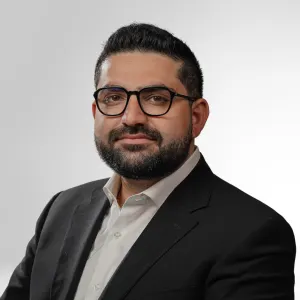
Paniz Jasbi, PhD
Metabolites, Gene Expression and the Disease Pathway [PRO LEVEL] (61 Minutes)
- Metabolites offer earlier and more accurate detection of disease onset than genetic or protein-level markers.
- Diet directly alters gene expression through metabolite cofactors like acetyl-CoA, SAM, and NAD plus.
- Metabolomics can now map four-fifths of a person’s entire metabolic circuitry from a single sample.

Anil Rama, MD
The Airway, the Brain, and the Signals Lost During Sleep (59 Minutes)
- Standard sleep studies miss upper airway resistance syndrome by scoring oxygen drops while ignoring arousals.
- Each sleep arousal acts as a mini concussion, fragmenting the brain signals needed for repair and clearance.
- A narrow airway drives chronic sympathetic signaling, keeping the nervous system locked in a persistent stress state.
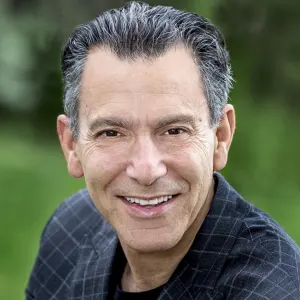
Joel Kahn, MD
When the Heart and Nervous System Fall Out of Sync (39 Minutes)
- Why blood volume and vascular changes matter in POTS and orthostatic intolerance
- What resting heart rate, HRV, and blood pressure can reveal about autonomic function
- How inflammation and metabolic dysfunction can affect cardiovascular health over time

Joshua Leisk
Glycolysis Toxic Metals and the Cellular Energy Crisis in Chronic Illness [PRO LEVEL] (51 Minutes)
- Toxic metals inhibit the master regulator of glycolysis blocking cellular energy production at its source.
- Ketones in urine despite high carbohydrate intake reveal a broken glycogen synthesis pathway not a dietary problem.
- Magnesium lithium and uridine deficiencies layer onto toxic metal burden creating compounding constraints on the same metabolic pathway.

Kiran Krishnan, PhD
The Chemical Language of the Gut Microbiome (44 Minutes)
- Gut microbial signaling affects the neurological, immune, and metabolic systems simultaneously.
- Chronic LPS exposure shifts tryptophan metabolism toward the neurotoxic kynurenine pathway, driving anxiety and inflammation.
- Serotonin production in the gut requires three distinct microbial and substrate dependencies to function properly.

Alex Howard
Beyond Survival Resetting Patterns that Keep the Body Stuck (48 Minutes)
- Chronic defense states keep the body in survival mode, blocking access to repair, resilience, and emotional regulation.
- The RESET framework helps identify and reprogram patterns of stress response, creating safety and restoring nervous system flexibility.
- Integrating awareness, emotional processing, and behavioral change reawakens the body’s innate capacity for healing and transformation.
REGISTER NOW!
Save Your Seat Now!
Today's Curated Lineup: Day 2
Today we move from the biology of illness into the environment that shapes it, exploring the nervous system, the relational field, and the inner signals that don’t live in lab work but in the body’s felt experience and our closest relationships. Our speakers will show you that expanding what we mean by treatment may be the most important thing we do.

Cathleen King, DPT
How the Brain Interprets Signals in Chronic Illness (54 Minutes)
- How prediction and threat physiology can change the experience of physical symptoms
- What happens when the nervous system can no longer distinguish discomfort from danger
- Why building capacity for sensation matters more than calming the stress response
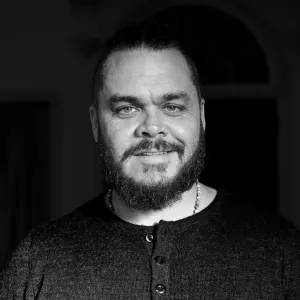
Michael Roesslein, MSc, FDN-P
Completion Awareness and the Individual Nervous System (56 Minutes)
- Calming an activated nervous system without completing the stress response builds a powder keg of unprocessed charge over time.
- Unresolved activation from early life wires the nervous system toward hypervigilance before chronic illness ever begins.
- Where and how nervous system activation shows up is unique to each person requiring individualized rather than prescribed practices.

Zachary Feder
Your Relational Field the Overlooked Environment in Chronic Illness (44 Minutes)
- Every relationship is either expanding or depleting with no neutral ground making partnership quality a clinical factor in chronic illness.
- Suppressed relational signals follow the same pattern as suppressed biological signals getting louder until they become symptoms.
- The body’s symptoms and life conditions reflect unresolved intrapsychic patterns making chronic illness both a biological and soul-level message.

Jason Prall
Dream, Play, and the Nervous System in Chronic Illness (66 Minutes)
- Chronic illness forces growth that healthy people can avoid by staying in constant motion.
- Orienting toward dreams and joy, rather than disease, activates nervous system safety and healing.
- Somatic grounding through felt sense creates the physiological safety signal the body needs to heal.
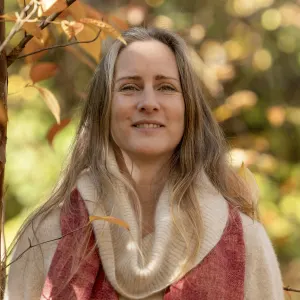
Clara Cunningham
Cellular Intelligence and the Biology of Belonging (45 Minutes)
- Pre-perinatal experiences are encoded into the nervous system before conscious memory forms.
- Belonging is a biological requirement, not only an emotional one.
- Social nervous system flexibility is a prerequisite for receiving treatment effectively.

Fleet Maull, PhD, CMP-T
The Biology of Attention (65 Minutes)
- Directing attention to direct sensate experience shifts the nervous system from dysregulation toward safety and flow.
- Trauma lives in the body as stuck patterns of dysregulation that embodiment practices gradually release.
- Expanding the window of tolerance through pendulation allows the nervous system to process and metabolize chronic stress.

Tobin Zivon
How Chronic Illness Reshapes Intimacy and Connection (50 Minutes)
- How illness changes the dynamic between the patient and caregiving partner
- Why pain and overwhelm can intensify reactivity, withdrawal, and disconnection
- How emotional safety and intimacy can become part of the healing environment

Pacha K’anchay, Taita (Indigenous Healer)
Yanakuna Indigenous Medicine Traditions (53 Minutes)
- Sacred plant medicines as therapeutic tools within indigenous traditions, offering complementary perspectives to modern approaches for chronic illness treatment.
- Indigenous healing frameworks emphasizing whole-person restoration of body, mind, and environment as essential for rebalancing complex health conditions.
- Ancestral preparation methods and traditional knowledge as critical safeguards, ensuring plant-based healing practices are approached with responsibility and safety.

Eric Gordon, MD & Nafysa Parpia, ND
The Cell & The Signal Live Forum Webinar
Join Drs. Gordon and Parpia for a live interactive Q&A session on The Cell & The Signal.
[Register to Join Us for the Q&A]
The replay will be available to all registrants following the live session.
Today's Curated Lineup: Day 3
Today we meet the body where it is, exploring the therapies and modalities that work directly with the body’s own signaling intelligence to reset maladaptive patterns and restore cellular communication. Our speakers will show you what becomes possible when treatment follows the signal rather than suppresses it.

Nathalie Niddam, CNP, BPC
Bioregulators, Peptides, and Epigenetic Signaling (43 Minutes)
- Bioregulators work at the epigenetic level, signaling cells toward restored expression and function.
- Cell-to-cell communication may explain why complex chronic illness patients respond so differently to treatment.
- Tissue-specific peptides and bioregulators are reshaping how clinicians approach chronic illness recovery.
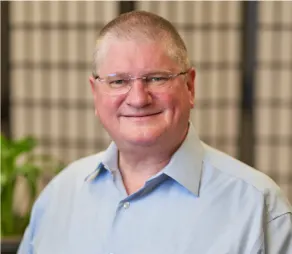
Paul Anderson, NMD
Light as Medicine (55 Minutes)
- Different wavelengths penetrate tissue at distinct depths with different therapeutic effects.
- Light receptors in mitochondria absorb specific wavelengths to restore cellular signaling.
- Clinical light therapy reaches the brain, lungs, and nervous system transcutaneously.

Darin Ingels, ND
How Botanicals Signal Healing Without Disrupting the Microbiome (38 Minutes)
- Botanical compounds act as multi-system signaling agents that work synergistically with the body’s own terrain.
- Unlike antibiotics, herbs preserve microbiome integrity while targeting Lyme in all its morphological forms.
- Tick-borne illness shifts the immune system toward TH2 dominance, driving allergy and autoimmunity long after infection.
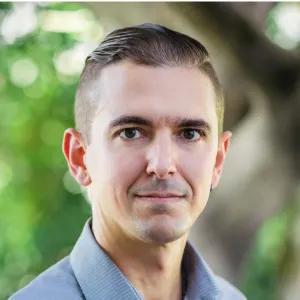
Jamie Kunkle, ND
How Chinese Medicine Reads Disharmony in Chronic Illness (43 Minutes)
- Every patient is their own individual subset of illness, making constitutional pattern recognition more useful than diagnosis-driven treatment.
- Meridians function as signal highways through which acupuncture influences internal organ systems and the autonomic nervous system externally.
- Each herb carries its own energetic signature and combined formulas create therapeutic effects greater than the sum of their chemical parts.

Deanna Hansen
Decompressing the Signal: How Fascia Governs Cellular Communication (53 Minutes)
- Fascia connects every cell to every other cell making it the body’s primary communication and signaling network.
- Upper chest breathing keeps the nervous system locked in sympathetic mode long after the original threat has passed.
- Trauma-induced compensations in the extremities anchor the whole body in misalignment long after the original injury has healed.
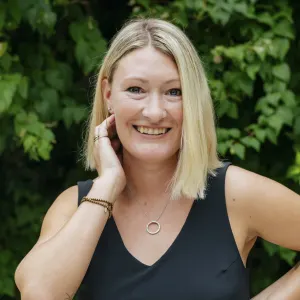
Ashley Ondrick
When the Signal Comes From Within, One Patient’s Journey (53 Minutes)
- MCAS, mold, Lyme, and craniocervical instability converged into one of medicine’s most complex chronic illness cases.
- Curiosity about symptoms rather than fear of them opened new pathways in Ashley’s healing journey.
- The body signals the spirit and the spirit signals the body and Ashley’s story shows both directions matter.
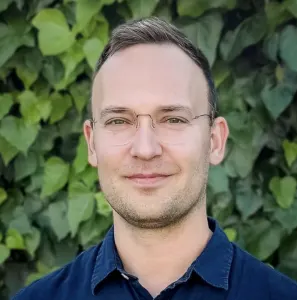
Alex Egerter, DO
Resetting Maladaptive Signals With Neural Therapy and Nerve Blocks (61 Minutes)
- The nervous system installs governors after injury that persist long after tissue has healed, causing chronic dysfunction.
- Chronic inflammation from the cell danger response loosens connective tissue, creating ligamentous instability over time.
- Neural therapy and targeted nerve blocks work together to reset maladaptive nervous system patterns in chronic illness.